If 2020–2024 were the years in which artificial intelligence woke up, 2025 is the year it began showing up everywhere — embedded in software, hardware, and workflows. But AI isn’t acting alone. This year we see a convergence of advances across compute, connectivity, energy, and biology that together create new capabilities and business models. The result: faster product cycles, new categories of jobs, wider debates about ethics and regulation, and huge opportunities to solve real-world problems at scale.
Below is a practical, evidence-backed look at the most important technology trends in 2025, how they connect, and what every leader, developer, investor, and curious reader should prepare for.
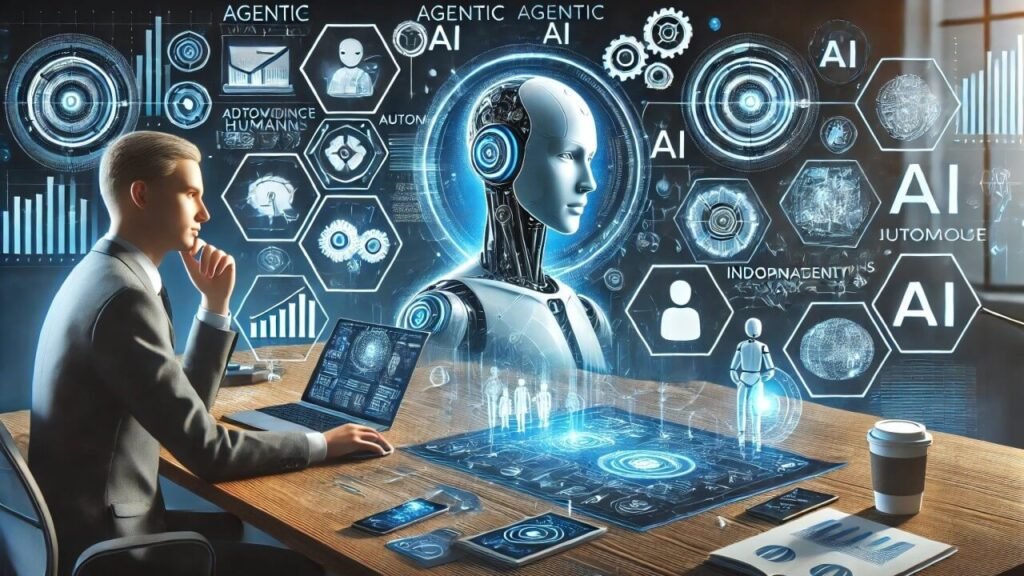
Table of contents
- Agentic and generative AI: from copilots to autonomous agents
- Edge AI and distributed intelligence
- Quantum technologies moving toward practical use
- Brain–computer interfaces enter clinical and commercial testing
- Wireless leap: 5G evolution and 6G foundations
- Energy and batteries: solid-state, hydrogen, and smarter grids
- Semiconductor shifts: chiplets, domain-specific silicon, photonics
- Mixed reality, spatial computing, and the next UI
- Cybersecurity, privacy, and AI governance — the necessary guardrails
- Sustainability tech and circular economy innovations
- What to do next — for individuals, businesses, and policymakers
- FAQs
1. Agentic and generative AI: from copilots to autonomous agents
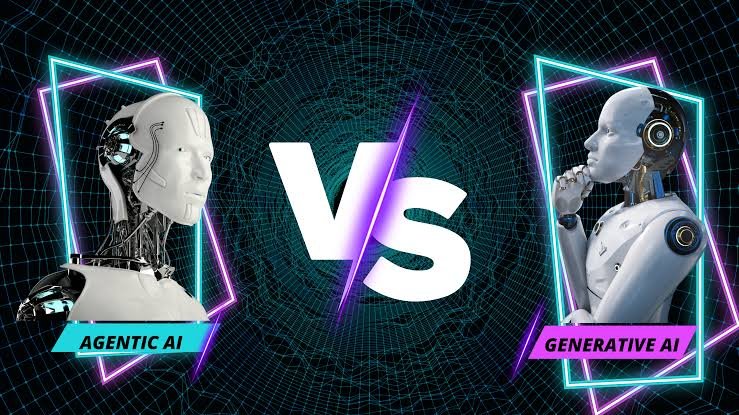
Generative AI matured rapidly from novelty to business infrastructure. In 2025, organizations moved beyond single-model experimentation to productized AI — reasoners, agent orchestration platforms, and vertical LLMs that blend domain knowledge and tooling. Expect three major, connected shifts:
- Agentic systems: These aren’t just chat-based assistants — they are goal-oriented agents that plan, call tools, and coordinate across services (e.g., booking, research, document generation). Enterprises are industrializing agent platforms to automate complex workflows. Capgemini
- Domain-specialized models: Rather than one-size-fits-all giant models, vertical and smaller task-tuned models deliver better performance, lower cost, and easier regulation. McKinsey & Company
- AI + human workflows: Human-in-the-loop systems become the default for high-stakes use (legal, medical, finance), blending speed with oversight.
Business impact: expect massive gains in productivity for knowledge work (legal briefs, coding, content, analysis) and new classes of AI-first products (agent-enabled apps, automated compliance tools).
2. Edge AI and distributed intelligence
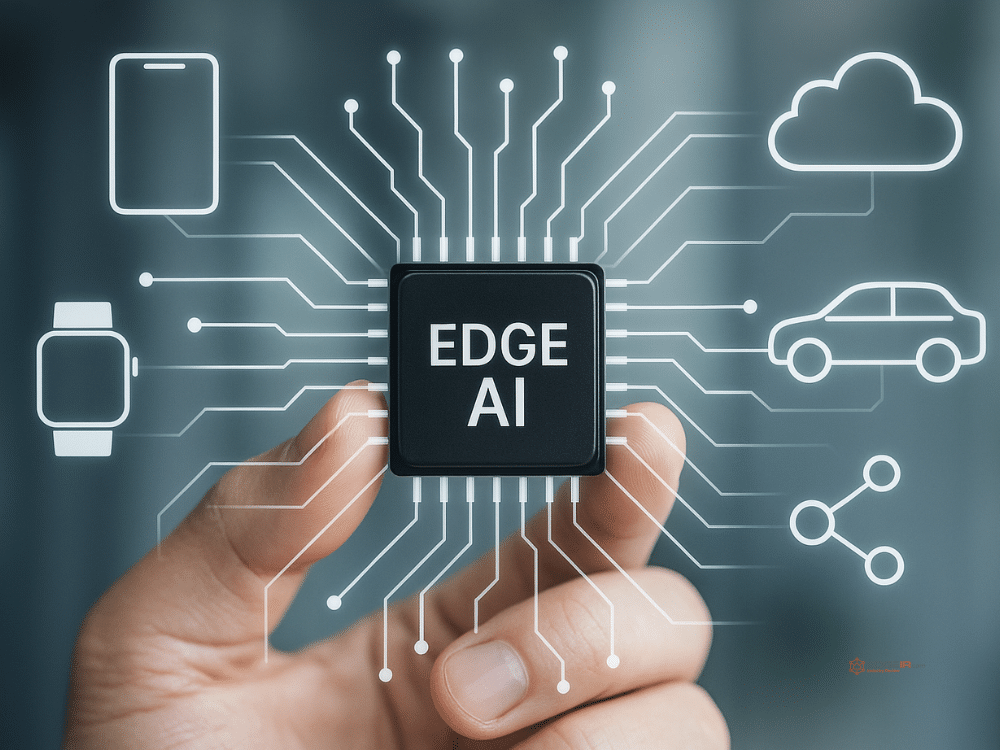
While large models often live in the cloud, practical deployments move intelligence closer to devices. Edge AI in 2025 is driven by two forces: latency/privacy-sensitive applications (AR glasses, industrial robotics, cameras), and improvements in specialized accelerators enabling local inference.
- Why it matters: real-time decisioning, lower bandwidth costs, and data privacy are improved when compute happens at the edge.
- Typical use cases: predictive maintenance at factories, real-time video analytics, augmented reality overlays, and on-device personalization.
Edge + cloud hybrids will be common: small local models handle immediate tasks, while heavyweight models in the cloud handle heavy reasoning or long-term learning.
3. Quantum technologies moving toward practical use

Quantum computing, sensing, and quantum-safe cryptography are progressing from labs toward targeted commercial applications. 2025 saw increased investment, national strategies, and the establishment of fabrication and research hubs — pushing quantum closer to useful advantage in optimization, chemistry simulation, and secure communications. McKinsey & Company+1
Practical expectations (realistic):
- Near-term quantum advantage remains limited to niche problems and hybrid quantum-classical algorithms.
- Quantum sensing and communication may produce earlier, practical wins (e.g., highly sensitive sensors, secure quantum links).
- Businesses in logistics, pharma, materials, and finance should start experimenting with hybrid workflows and partnering with quantum cloud providers.
4. Brain–computer interfaces enter clinical and commercial testing
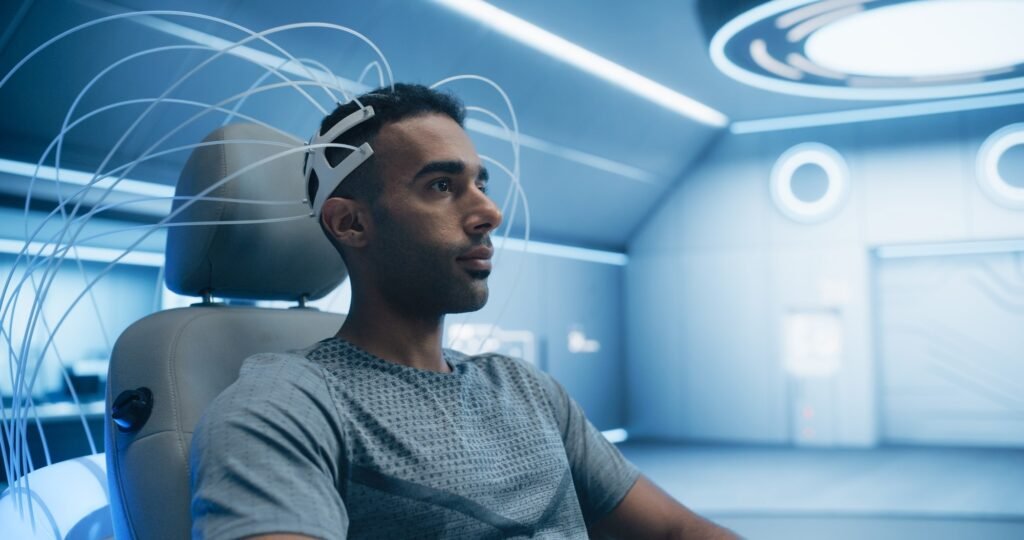
2025 marked faster movement from lab demos to regulated human trials. Multiple companies advanced clinical approvals or long-term trials for BCIs that aim to restore speech, mobility, or sensory function. These devices promise transformative healthcare benefits (e.g., speech restoration for ALS) while also raising profound ethical and privacy questions. Statesman+1
Key takeaways:
- Expect regulatory milestones and more robust clinical evidence in the next 2–5 years for specific therapeutic uses.
- Broader consumer-grade BCIs (non-invasive headsets for entertainment/productivity) will improve but remain qualitatively different from implantable clinical devices.
- Privacy, consent, and ownership of neural data are urgent policy issues.
5. Wireless leap: 5G evolution and 6G foundations

5G deployments continue to broaden, but the industry is already laying the groundwork for 6G — a platform that promises far more than speed: native AI, integrated sensing, extreme reliability, and network programmability. Work on standards and testbeds intensified in 2025, and national alliances accelerated research toward a 2030 commercialization timeline. gsacom.com+1
What this means now:
- Businesses building IoT, AR, and robotics solutions should plan for progressive improvements in latency, reliability, and network-driven intelligence.
- 6G research will change how we design devices and services, with more emphasis on edge-cloud synergy and integrated sensing.
6. Energy and batteries: solid-state, hydrogen, and smarter grids

Energy and storage innovation remain crucial to electrification and decarbonization. Expectations around solid-state batteries have tempered — they promise higher energy density and safety but commercialization timelines remain cautious. At the same time, improvements in Li-ion, fast-charging systems, and grid-scale storage are advancing. Forbes+1
Other developments:
- Green hydrogen pilots and electrolysis cost declines are accelerating interest in hard-to-electrify sectors (steel, heavy transport).
- Smart grids and distributed energy resources (DERs) integrate with software layers that use AI for demand response and resiliency.
Business tip: energy-intensive industries should run scenario planning across battery adoption timelines — prepare to adopt improved Li-ion and later transition as solid-state proves cost-effective.
7. Semiconductor shifts: chiplets, domain-specific silicon, and photonics
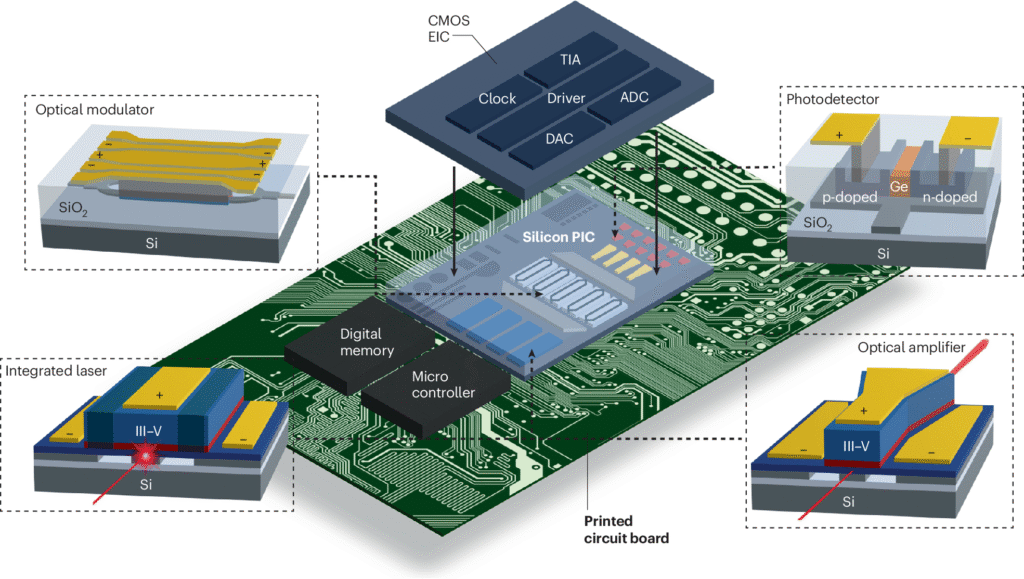
Moore’s Law slowing has pushed the industry toward new architectures:
- Chiplets and modular design: combining small specialized dies gives flexibility, improves yields, and shortens design cycles.
- Domain-specific accelerators: from AI inference chips to cryptography engines, specialized silicon reduces power and cost for targeted tasks.
- Photonic/optical interconnects and advances in packaging are helping bandwidth and energy efficiency across datacenter fabrics.
These hardware trends undergird everything from AI to AR devices, and winners will be companies that co-design hardware and software stacks.
8. Mixed reality, spatial computing, and the next UI
AR/VR is maturing into spatial computing: natural interactions (voice, gaze, gestures) blended with persistent digital layers anchored in real-world spaces.
- Enterprise-first wins: industry (training, remote assistance, design) will lead adoption before mass consumer shifts.
- UX evolution: interfaces will need to be designed for attention, context-awareness, and accessibility.
- Content & ecosystem: developers skilled in 3D UX, spatial audio, and real-time collaboration will be in high demand.
Expect steady improvements in hardware (lighter headsets, better passthrough), and more use-cases that combine AI for context and personalization.
9. Cybersecurity, privacy, and AI governance — the necessary guardrails
As tech becomes more powerful, risk increases. 2025 is a turning point where capability growth is met with new regulation, enterprise controls, and market demand for privacy-first features.
- AI safety & governance: businesses must implement model risk frameworks, provenance tracking, and human oversight for critical systems. McKinsey & Company
- Quantum-safe cryptography: organizations preparing for future quantum threats should inventory cryptographic assets and plan migration strategies.
- Zero-trust and identity: with distributed work and devices, zero-trust models and strong identity controls are becoming standard.
What CIOs should do now: adopt AI governance policies, invest in observability and red-team testing, and build a roadmap for crypto agility.
10. Sustainability tech and circular economy innovations
Technology is increasingly used to measure, optimize, and reduce environmental impact:
- Digital twins model buildings, factories, and supply chains to reduce waste and energy use.
- AI-powered optimization for logistics and energy can cut emissions and costs.
- Circular design platforms use better traceability and material tracking to enable reuse and recycling.
Sustainability becomes a competitive advantage as consumers and regulators pay closer attention to carbon footprints and supply-chain resilience.
11. What to do next — practical steps
For business leaders
- Prioritize use-case mapping: identify 1–3 AI/edge/quantum pilot projects tied to measurable KPIs.
- Build a Responsible AI & Security playbook now.
- Invest in workforce reskilling, particularly for AI-augmented roles, 3D/spatial design, and cyber-defenses.
For developers & engineers
- Learn to integrate small specialized models, edge inference, and agent frameworks.
- Explore chiplet-aware software optimization and become comfortable with hardware-software co-design tools.
- Experiment with digital twins and spatial SDKs — these skills are increasingly valuable.
For policymakers & investors
- Support regulatory sandboxes for BCIs, quantum cryptography, and AI agents to balance innovation with safety.
- Invest in research infrastructure (quantum fabrication, testbeds for 6G, BCI clinical trials) to attract talent and startups.
12. FAQs (short, SEO-friendly)
Q: Which trend will have the biggest job impact in 2025?
A: Agentic AI and domain-specific automation will reshape knowledge work fastest — creating demand for AI-augmented roles while automating repetitive tasks. Capgemini
Q: Is quantum computing ready for business use in 2025?
A: Not broadly. Quantum shows promise in niche optimization and simulation; meaningful commercial advantage is emerging in pilot projects and hybrid workflows, but mainstream impact will be gradual. McKinsey & Company
Q: When will solid-state batteries arrive in EVs?
A: Solid-state remains a major goal but commercial timelines vary; many players expect incremental progress through the late 2020s rather than mass adoption in 2025. Continue planning for improved Li-ion near term. Forbes+1
Q: Are brain–computer interfaces safe?
A: Safety depends on device type and use. Clinical implant trials follow strict regulatory pathways; non-invasive devices have different risk profiles. Ethical and privacy frameworks must keep pace with deployment. Statesman
Conclusion — the shape of the near future
2025 isn’t the end of a journey; it’s a turning point where multiple technologies move from research and prototypes into products and regulated trials. Agentic AI, edge intelligence, nascent quantum capabilities, brain–computer interfaces, 6G groundwork, and energy innovations together create a web of opportunity — and responsibility.
The organizations that will thrive are those that combine agility (rapid experimentation), stewardship (safety, privacy, regulation), and human-centric design (ensuring tech enlarges human capability, not replaces it). Start small, measure impact, and be ready to iterate — the future is being coded and built now.
Sources & further reading (selected)
- Capgemini — Top Tech Trends 2025: AI-powered everything. Capgemini
- McKinsey — The top trends in tech / Quantum Technology Monitor 2025. McKinsey & Company+1
- Paradromics clinical trial news (BCI). Statesman
- Ericsson / 6G explainers and GSA status updates on 6G research. ericsson.com+1
- Forbes — Solid-state batteries progress and cautions. Forbes