Budget phones in 2025 are smarter, faster, and better built than ever. Thanks to midrange chip improvements, large batteries, high-refresh displays, and useful camera systems, you don’t need to spend flagship money to get a great daily driver. In this long-form guide I’ll walk you through what matters when buying a phone under $300, compare the top contenders, and give clear recommendations based on real-world use.

Quick picks — at a glance
- Best overall under $300: Motorola Moto G Power (2024/5G) — balanced battery, display, and clean software. Motorola
- Best for stock Android experience & updates: Samsung Galaxy A14 5G — reliable brand support and one of the cleanest budget UIs. Amazon
- Best value (performance-per-dollar): Redmi / POCO / realme budget models (region-dependent) — aggressive specs at tight prices. Amazon+291mobiles+2
Note: prices fluctuate by region, retailer, and promotions (Black Friday / local sales). Always check the final price and variant (RAM / storage) before you buy. For broad market analysis and current recommendations, we referenced major buyer guides and manufacturer listings. Android Central+1
How we compare phones under $300 (methodology)
When your budget is limited, small differences matter. I compare phones using these practical criteria:
- Real-world performance: sustained CPU/GPU performance — not just benchmark peak. Look for modern chips (Snapdragon 6/7-series, MediaTek Dimensity family) that balance speed and power usage.
- Battery life & charging: capacity, efficiency, and charge speed (30W or higher is great in this segment).
- Display quality: size, resolution (FHD+ preferred), and refresh rate (90–120Hz where possible).
- Cameras: main sensor quality and software processing (night mode is a must).
- Software & updates: Android version, OEM update policy, and bloatware.
- Build & extras: IP ratings, stereo speakers, microSD, headphone jack, NFC.
- Value: what you get for the price — storage/RAM combination and brand reliability.
I used recent buyer guides and manufacturer pages to cross-check specs and pricing for the models recommended here. Android Central+1
Top contenders (detailed comparisons)
Below are the best phones you’ll find around the $300 mark in 2025. I list core specs, strengths, weaknesses, and who each is best for.
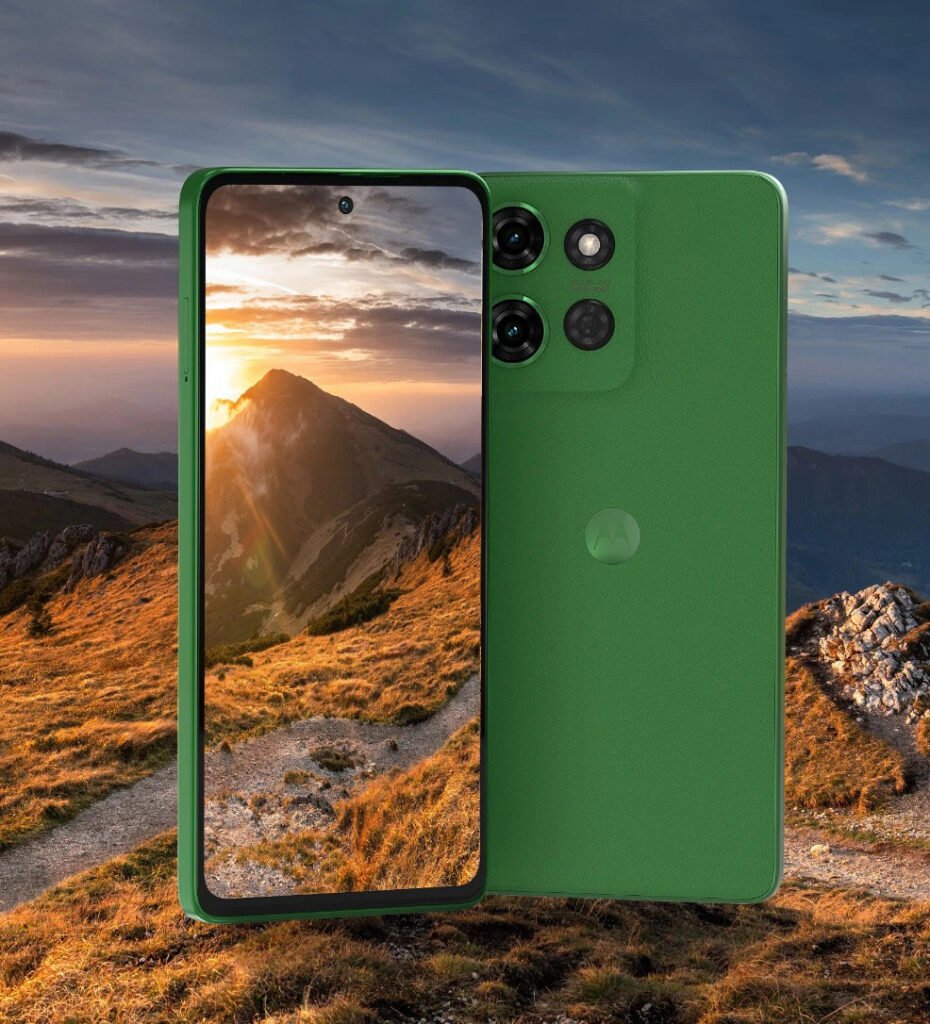
1) Motorola Moto G Power (5G, 2024/2025 variants) — Best all-round battery & smooth UI

Why consider it: Motorola’s Moto G line traditionally focuses on battery life and practical features. The Moto G Power 5G (2024/2025 retail variants) pairs a large battery, 120Hz FHD+ display in many regional SKUs, and clean near-stock Android with modest bloat. It often sits right at or just under $300 during sales. Motorola+1
Key specs (typical SKU):
- Display: ~6.5–6.7″ FHD+, 90–120Hz
- SoC: midrange 5G chipset (varies by market)
- Battery: 4,500–5,000 mAh, TurboPower charging (often ~30W)
- Camera: 50MP main + supporting sensors
- Storage/RAM: common configs 6/128GB or 4/64GB
Strengths: Excellent battery life, smooth display refresh, and near-stock Android experience (less bloat). Good stereo speakers in many SKUs. Great for heavy daily use and media. Motorola
Weaknesses: Camera quality is solid for daylight but not class-leading at night; some regional variants have different chipsets — check exact SKU before purchase.
Best for: Users who prioritize battery and a clean Android UI.
2) Samsung Galaxy A14 5G — Best for brand reliability and software updates
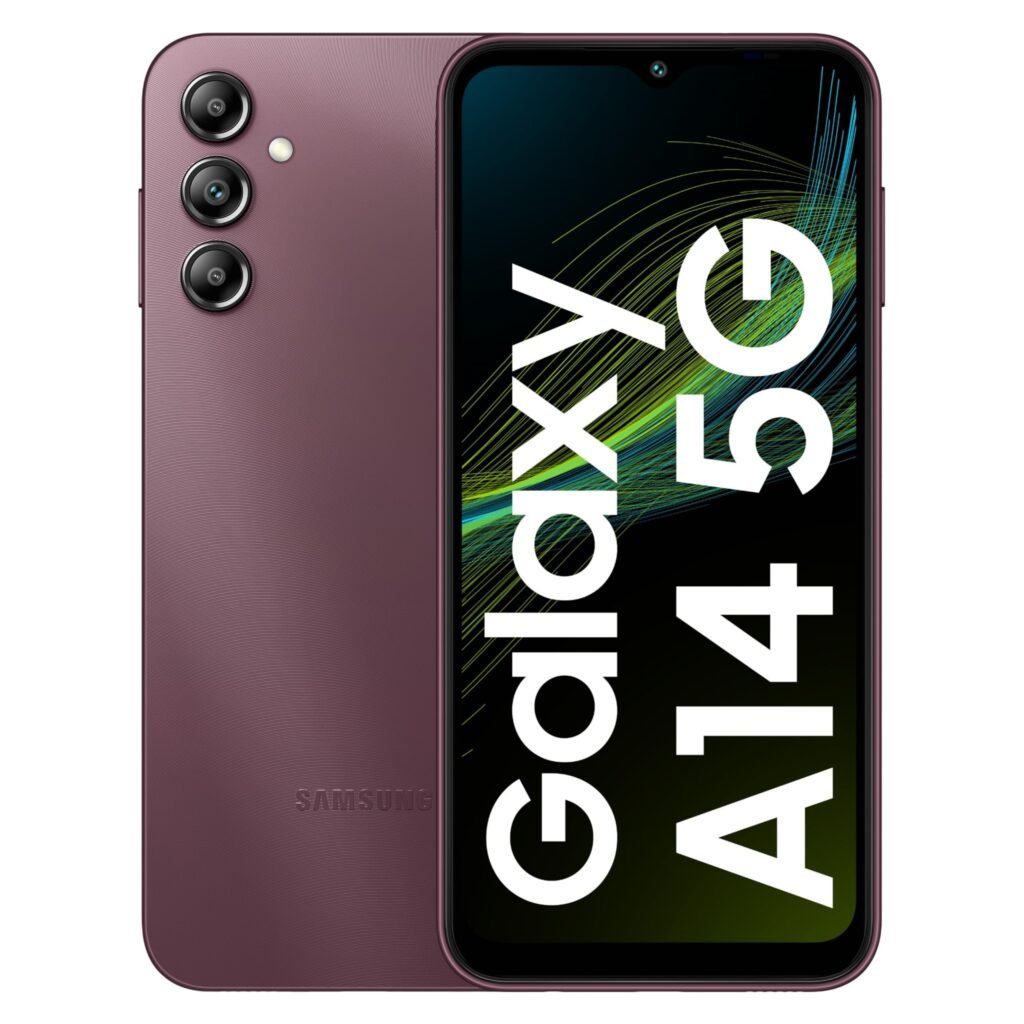
Why consider it: Samsung’s A-series continues to be a go-to for buyers who want brand assurance and predictable software support. The Galaxy A14 5G sits comfortably in the budget tier, sometimes dipping under $300 depending on sales and regional pricing. It provides a reliable experience, decent display, and Samsung’s One UI optimizations. Amazon
Key specs (A14 5G common):
- Display: ~6.6″ PLS LCD, FHD+
- SoC: Entry-to-mid 5G chipset
- Battery: ~5,000 mAh
- Camera: Triple camera setup (main + macro/depth or ultrawide depending on region)
- Storage/RAM: 4/64GB common; microSD expandable
Strengths: Strong brand support, solid battery, expandable storage, and wide availability (carrier-friendly). Samsung’s One UI optimizes battery and daily apps well. Amazon
Weaknesses: Display is LCD (not AMOLED), and performance is modest vs. some Chinese rivals.
Best for: Buyers that want a familiar Samsung UI, reliable updates, and broad retailer/carrier availability.
3) Redmi / POCO budget models (X / Note / Turbo lines) — Best raw specs for price
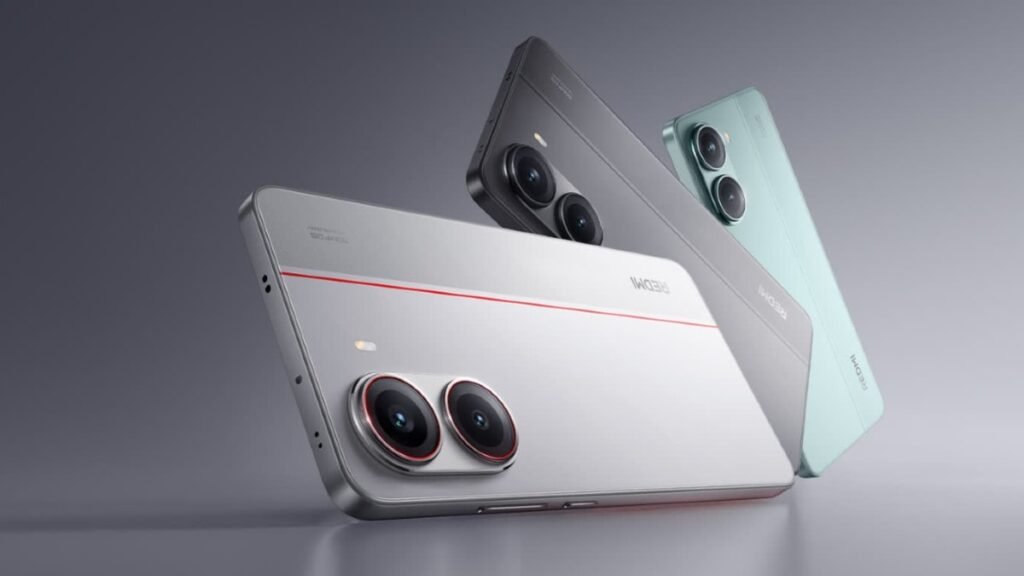
Why consider it: Xiaomi (Redmi) and its POCO sub-brand aggressively price devices with high refresh displays, competent cameras, and surprisingly strong SoCs within the $200–$300 bracket. The exact model names change fast, so look for the latest Redmi Note or POCO X entries that fall under $300 in your market. Amazon+1
Typical strengths: Higher refresh displays, competitive SoCs (often MediaTek Dimensity or Snapdragon 6/7-series), and strong battery/charging combinations.
Typical weaknesses: Software update cadence can be inconsistent across regions; MIUI / POCO launcher has more bloat for some users.
Best for: Power users who want the best hardware bang for the buck and aren’t as worried about long-term software promises.
4) Realme Narzo / realme number series — Best balanced specs + charging
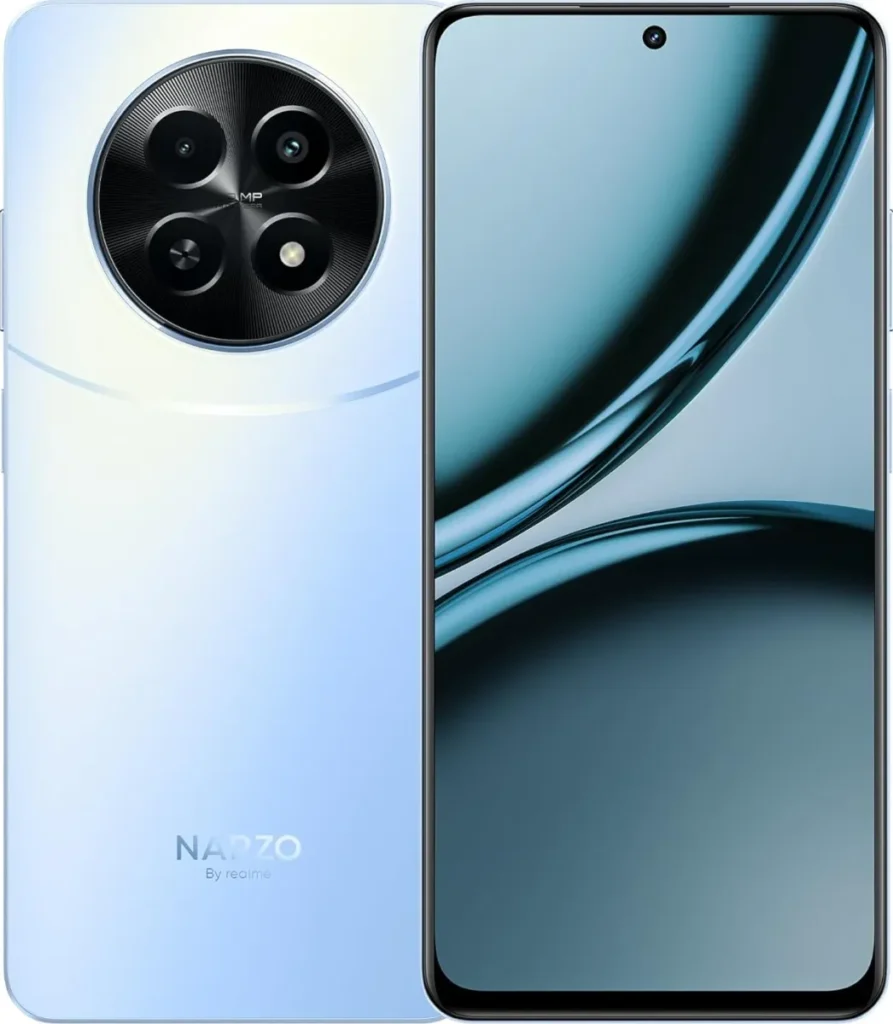
Why consider it: realme’s Narzo and numbered models target value buyers with fast charging, good displays, and capable midrange chips. They frequently offer 65W or faster charging at sub-$300 prices in some markets. Check local pricing for models like Narzo 60/70 or similar 2024–2025 releases. Mobile57+1
Strengths: Very fast charging, often lightweight UIs that are friendly to power users, and good screen refresh rates.
Weaknesses: Real-world camera processing may lag behind Google/Samsung; software update windows vary.
Best for: Users who want quick top-ups and a snappy daily experience.
5) Alternatives & regional best-buys
Depending on where you live (India, EU, US, Latin America), several regional models from Tecno, Infinix, Honor (budget line), and Motorola’s many SKUs may give you a better local value. Use the above evaluation criteria and local pricing comparison to pick the best variant. Sources that aggregate local pricing and lists can help (e.g., 91Mobiles, Kimovil). 91mobiles+1
Head-to-head: Performance, battery, camera, display (summary table)
Quick reference — typical strengths (generalized across variants)
| Phone (typical SKU) | Performance | Battery & charging | Display | Camera | Best for |
|---|---|---|---|---|---|
| Moto G Power 5G | Moderate / smooth | Excellent (4,500–5,000 mAh; 30W) | FHD+ 90–120Hz | Good daylight | Battery life & clean Android. Motorola |
| Samsung A14 5G | Modest | Excellent (~5,000 mAh) | FHD+ (PLS LCD) | Reliable | Brand support & updates. Amazon |
| Redmi / POCO models | Strong for price | Good (some fast charging) | FHD+ high refresh | Varies (good hardware) | Raw specs/value. Amazon+1 |
| realme Narzo series | Strong | Very fast charging (some SKUs) | 90–120Hz | Good | Fast charging & snappy UI. Mobile57+1 |
Buying guide — what to prioritize (so you don’t regret it)
If you’re reading this, you want the best phone under $300. Here are the actionable choices that matter most.
1) Memory & storage — don’t skimp
- Aim for at least 128GB storage if you use offline maps, photos, or games. 64GB fills up quickly. If you can’t get 128GB, ensure the phone has microSD expansion. Many Samsung and Motorola models offer microSD. Amazon+1
2) RAM — multitasking matters
- Prefer 6GB+ RAM if you multitask or plan to keep the phone 2+ years. 4GB is workable but will show limits.
3) Display — refresh rate vs. brightness
- A 120Hz or 90Hz screen makes UI feel smoother. But also check peak brightness for outdoor legibility — some cheaper phones trade off brightness for higher refresh.
4) Battery & charging
- 4,500–5,000 mAh is ideal. Charging speed (30W+) reduces downtime — realme models often lead here. Realme
5) Software updates & warranty
- Invest in brands that promise two+ Android version updates or longer security patch cadence when possible. Samsung’s A-series has improved update promises recently. Amazon
6) Camera reality-check
- Don’t get swayed by megapixel counts alone. Look for optical stabilization (OIS) in the main camera if possible, or good night mode processing. Motorola often emphasizes pragmatic camera hardware + OIS in some SKUs. Motorola
7) Regional pricing & promos
- $300 is a soft ceiling. Promos, carrier subsidies, and seasonal deals (Black Friday / local sale events) can push higher-tier phones into this bracket. Always check multiple retailers before purchase. WIRED
Real-world buying scenarios — which phone for which user?
A) Heavy media / battery-first user
Pick: Moto G Power (5G) or Samsung A14 if you want brand reliability. These prioritize long battery life and balanced performance for streaming and browsing. Motorola+1
B) Mobile gamer on budget
Pick: Redmi/POCO latest budget X/Note models — they often include more powerful GPUs and high refresh panels at the price. Watch thermals — extended gaming sessions benefit from larger batteries and efficient chips. Amazon+1
C) Fast charge / on-the-go user
Pick: realme Narzo or similar realme models — they often ship with 65W (or faster) charging tech in budget tiers so you can top-up quickly. Realme
D) Long-term software & resale
Pick: Samsung Galaxy A-series — better for buyers who keep phones 2+ years and value consistent security updates. Amazon
Troubleshooting & buying tips
- Check exact SKU and region: A phone name (e.g., “Moto G Power”) can have multiple regional variants with different SoCs and displays. Compare the SKU specs on the manufacturer’s product page or the retailer listing. Amazon+1
- Buy during promotions: Major sales (Black Friday/Cyber Monday) often bring $300+ models under $300. Watch reliable deal trackers. WIRED
- Warranty & return policy: If buying from marketplaces (Amazon, local retailers), confirm warranty validity in your country before purchase. Amazon
FAQ — Common buyer questions
Q: Are any flagship features available under $300 in 2025?
A: Yes — higher refresh displays, AI-assisted camera modes, and fast charging are now common at this price. However, flagship-level sustained performance and top-tier cameras usually remain in higher price brackets. Android Central
Q: Should I buy a refurbished phone instead?
A: Refurbished higher-tier phones (one generation old) sometimes offer a better camera or SoC than new budget phones — but check warranty, battery health, and trusted sellers.
Q: Is 5G important for a $300 phone?
A: If you expect to keep your phone 2+ years, 5G is recommended for future-proofing. Many budget phones now include 5G at this price. Android Central
Final verdict — our top recommendation
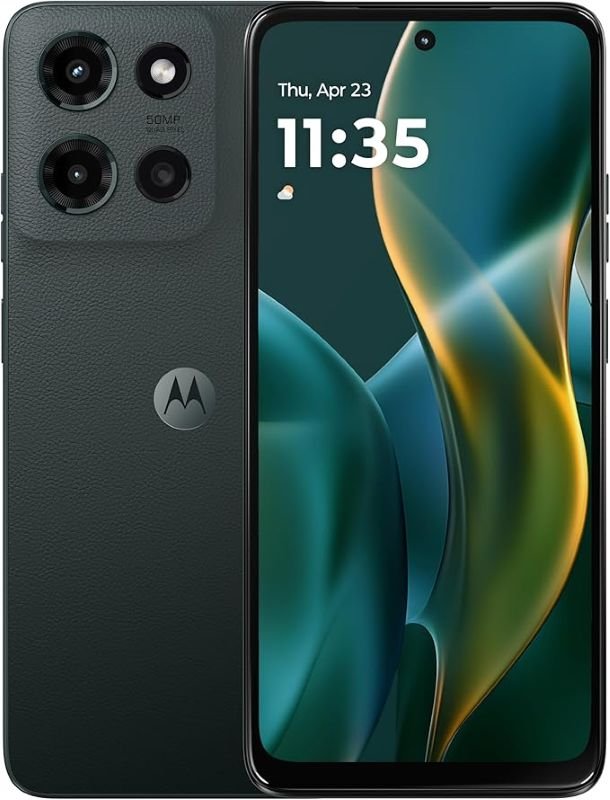
If you want a single, safe pick for best smartphone under $300 in 2025, go with Motorola Moto G Power (5G) (or the newest Moto G Power SKU available in your market). It balances battery life, display smoothness, and a clean Android experience without unnecessary extras — giving the least regret for most buyers. If you prioritize brand software support and broad retailer options, Samsung Galaxy A14 5G is the sensible alternative. For users chasing raw performance and features per dollar, check the latest Redmi / POCO or realme budget releases and pick the best local deal. Motorola+2Amazon+2
Where to check live prices & reviews (handy links)
- Manufacturer product pages for exact SKU specs (Motorola, Samsung, realme). Motorola+2Amazon+2
- Aggregators and regional price trackers (91Mobiles, Kimovil) for local comparisons. 91mobiles+1
- Buyer guides that refresh frequently (Android Central’s budget phone list). Android Central
Closing notes
Smartphones under $300 in 2025 are a sweet spot: modern features, large batteries, and competitive performance. The right choice depends on what you value most — battery life, update policy, charging speed, or raw performance. Use the buying checklist above, compare SKUs and local prices, and target 6GB/128GB (or better) configurations for the best longevity.